
Secondary Students Rate Their Own AI Literacy Fairly Positive Overall, as Index Sets Out to Empower Youth for the New Era of Intelligence
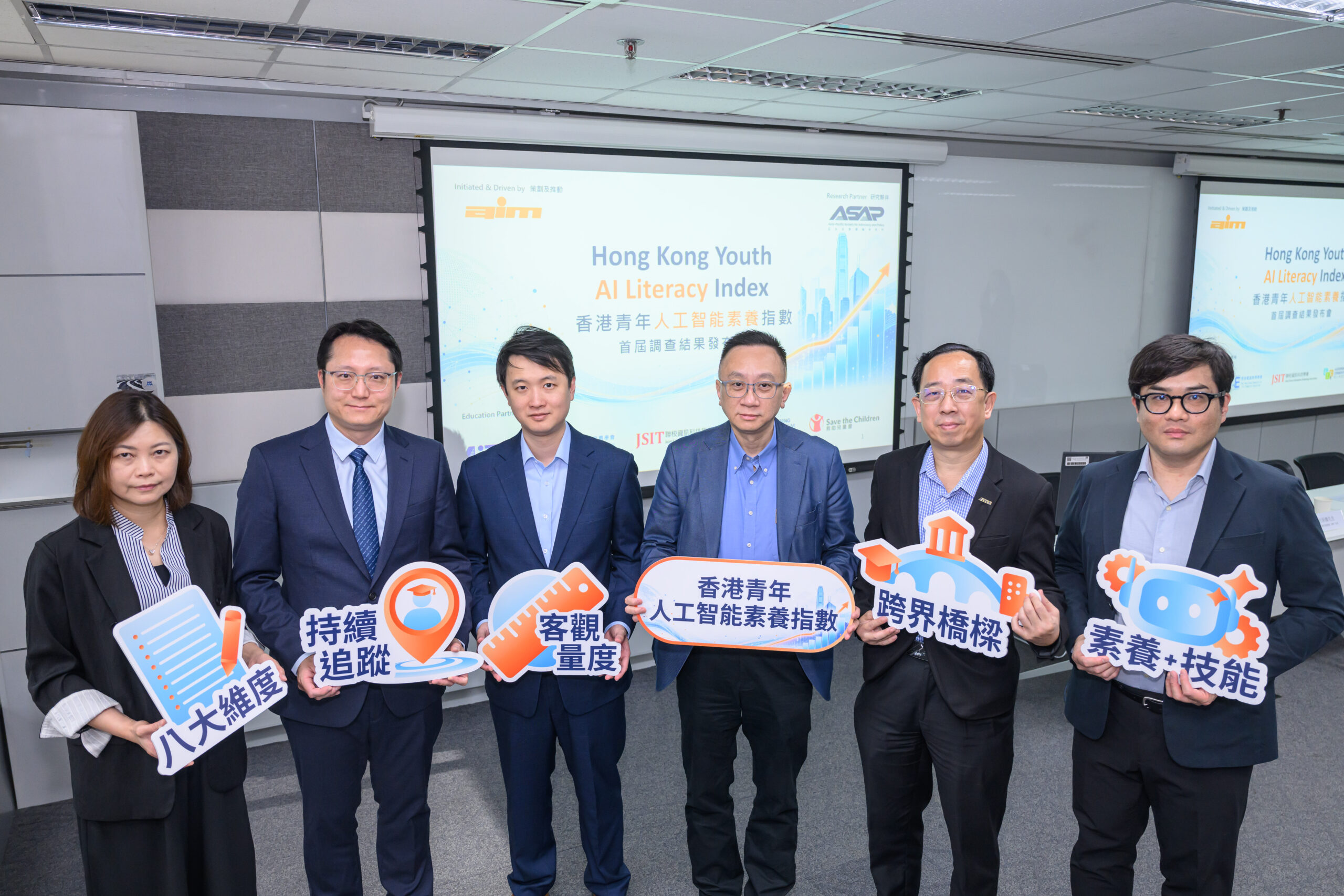
Photo 1: Mr. Francis FONG Po-kiu, Chairman of Hong Kong Association of Interactive Marketing (AIM) (3rd right), Mr. Alvin CHEUNG Pok-yu, Research Director of the Asia-Pacific Society for Advocacy and Policy (ASAP) (3rd left), together with education partners of the Index – Mr. Albert WONG Kin-wai, Chairman of Association of IT Leaders in Education (AiTLE) (2nd right), Mr. Stanley KAM Wai-ming, Honorary Chairman of Hong Kong Association for Computer Education (HKACE) (2nd left) , Ms. Irene LAM Nga-yin, Chairlady of eLearning Consortium (eLC) (1stleft) and Mr. Ian LI Chi-fai, Senior Policy Advocacy & Programme Evaluation Manager of Save the Children Hong Kong(1st right), pose for a group photo.
(Hong Kong, September 29, 2026) Artificial intelligence (AI) education has drawn growing public attention in recent years. Following the Government’s release of the First Five-Year Plan for Economic and Social Development of the Hong Kong Special Administrative Region (2026-2030) (Hong Kong’s First Five-Year Plan), enhancing students’ AI literacy has become a key direction for the coming five years. The 2026 Policy Address further deepened related policies, with the Education Bureau continuing to actively promote digital education in accordance with its “Blueprint for Digital Education Development in Primary and Secondary Schools” (Blueprint) , while the Innovation, Technology and Industry Bureau is also promoting the “AI for All” Inclusive Programme, targeting different age groups and communities. Having long focused on and actively promoted AI literacy and governance, Hong Kong Association of Interactive Marketing (AIM) has initiated and driven Hong Kong’s first “Hong Kong Youth AI Literacy Index,” with research and analysis led by The Asia-Pacific Society for Advocacy and Policy (ASAP), aiming to continuously track the AI literacy of local secondary school students and provide an evidence-based reference for AI training and digital education development. The results showed that secondary students rated their own AI literacy fairly positive in general, though their proficiency levels varied across dimensions.
In the inaugural survey, secondary schools across Hong Kong were invited to participate. A self-assessment questionnaire was distributed to secondary students between June and August 2026, and 1,166 valid responses were collected. The results showed that the three highest-scoring dimensions in the self-assessment were ethical awareness, practical application, and human-AI collaboration, each scoring 3.81 points (where 1 represents “strongly disagree” and 5 represents “strongly agree”), while the Index’s overall score was 3.65 points.
Bridging Sectors to Enhance the Next Generation’s AI Literacy
On the education policy side, Hong Kong’s First Five-Year Plan sets out the goal of promoting the progressive integration of AI into learning, teaching, and assessment, fostering cross-sectoral collaboration to forge a digital education ecosystem. The 2026 Policy Address also proposes enhancing the protection of users who are minors, supporting schools in guiding students to make good and prudent use of AI tools with proper values.
However, Hong Kong currently lacks a systematic tool that can continuous track and objectively measure students’ AI literacy development. AIM has been closely following AI development in Hong Kong. Through exchanges with different sectors, institutions, and policymakers, it has observed that various stakeholders across society are highly concerned about whether future talent will possess AI capabilities and be able to apply AI responsibly.
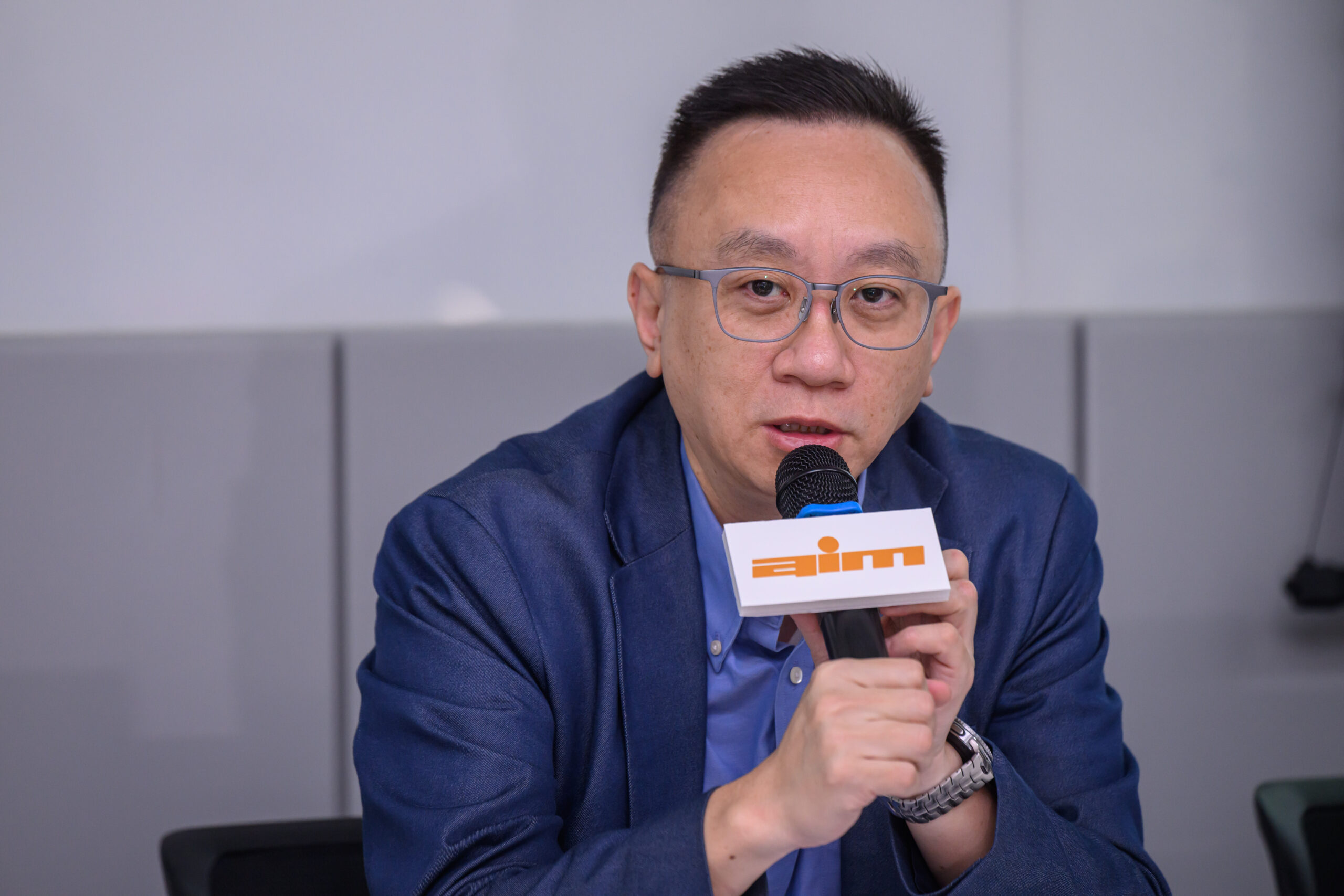
Photo 2: Mr. Francis FONG Po-kiu, Chairman of Hong Kong Association of Interactive Marketing (AIM), shares industry views on the development of AI education.
Mr. Francis FONG Po-kiu, Chairman of Hong Kong Association of Interactive Marketing (AIM), said, “Young people are the future of society, and the AI proficiency of our youth will lay the foundation for a city’s future level of innovation. AIM has therefore proactively initiated and driven the ‘Hong Kong Youth AI Literacy Index’, working together with research partner The ASAP and multiple education partners to complete the inaugural survey and analysis. AIM is committed to serving as a bridge, connecting the education sector, the innovation and technology sector, policymakers, and different industries, working hand in hand to cultivate the AI literacy of the next generation. This aligns with the Government’s efforts to promote AI education and application for all, across age groups and sectors, in pursuit of technology for good, so that people in Hong Kong can face the new era of intelligence with greater confidence and capability.”
Ethical Awareness, Practical Application, and Human-AI Collaboration Score Highest in Self-Assessment; AI Creation Ability Has Room for Improvement
The Index referenced international and Chinese Mainland AI literacy frameworks and synthesized multiple academic scales, extracting eight dimensions that recur across them, namely technical understanding, practical application, critical evaluation, ethical awareness, human-AI collaboration, AI data literacy, AI creation, and self-efficacy and attitudes.
The results showed that the three highest-scoring dimensions in self-assessment were ethical awareness, practical application, and human-AI collaboration, each at 3.81 points. This indicates that students generally believe they know how to maintain ethical boundaries and can match appropriate tools to specific tasks. They also tend to agree that humans should take the lead, divide tasks with AI, and bear responsibility. This reflects that students have begun to develop a responsible attitude toward using AI. Critical evaluation ranked fourth at 3.76 points, indicating that students are generally able to perceive the risks involved in using AI.
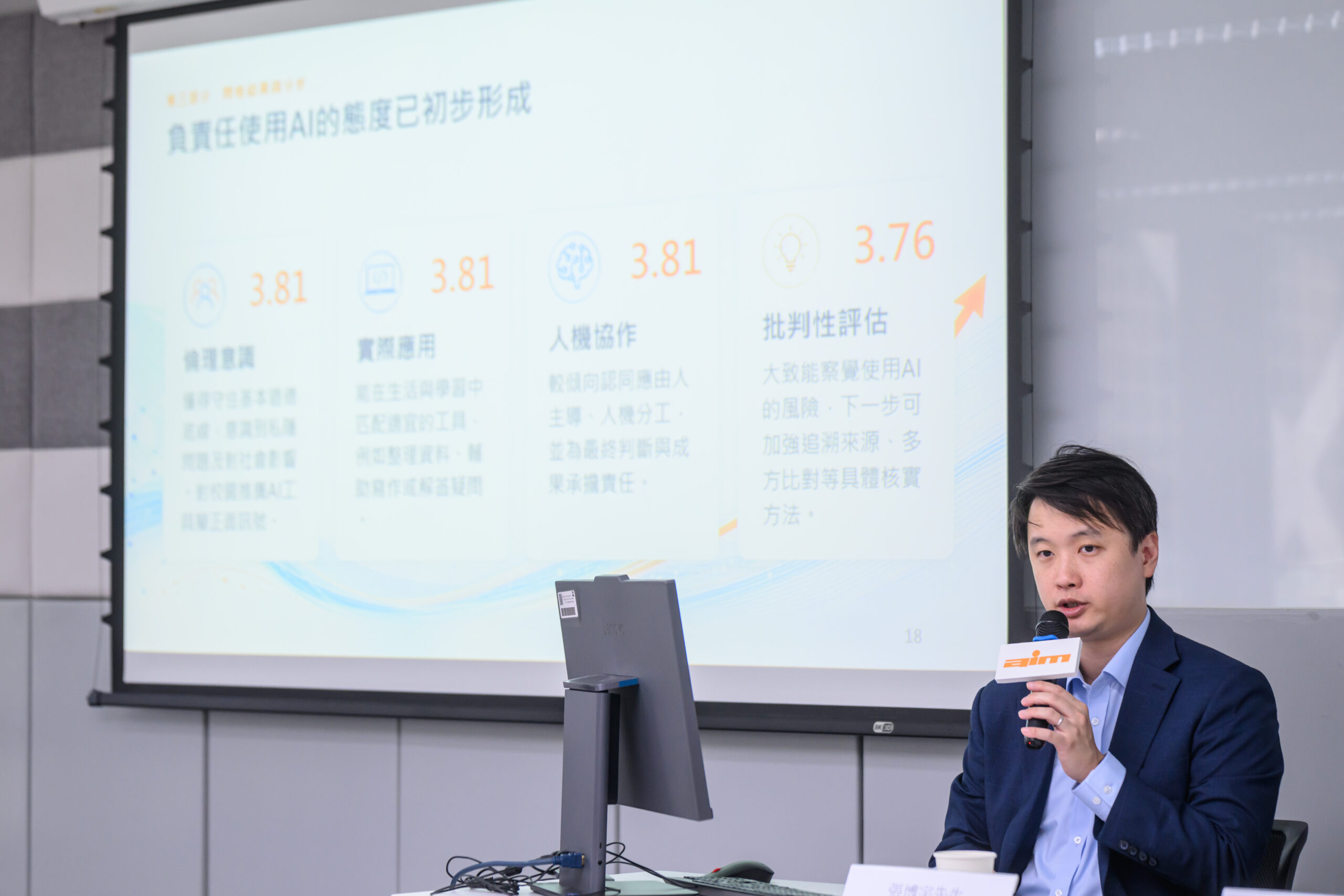
Photo 3: Mr. Alvin CHEUNG Pok-yu, Research Director of The Asia-Pacific Society for Advocacy and Policy (ASAP), presents the inaugural survey results of the “Hong Kong Youth AI Literacy Index”.
Mr. Alvin CHEUNG Pok-yu, Research Director of The Asia-Pacific Society for Advocacy and Policy (ASAP), said, “This marks the inaugural year of the Index, and the results show that students’ self-assessments already indicate a certain foundation in everyday application and ethical judgment. From the Education Bureau’s launch of the Blueprint in June to the HKSAR Government’s recently announced Hong Kong’s First Five-Year Plan and the 2026 Policy Address, these developments mark the full rollout of AI education and training, which will effectively enhance AI awareness and application ability among students and the public. The Index will help us continuously track long-term trends in students’ AI literacy, providing an evidence-based reference for AI training and digital education development.”
He added that, by comparison, technical understanding (3.62 points), AI data literacy (3.58 points), and self-efficacy and attitudes (3.58 points) scored slightly lower, reflecting that although students use AI tools frequently, they do not necessarily understand the principles behind how they work, and there is still room to build up their confidence and motivation to continue learning about AI. Among the eight dimensions, AI creativity scored lowest at just 3.22 points, which also showed comparatively weak correlation with the other dimensions, marking it as an area yet to be explored in the development of local AI literacy.
Frontline Educators Share Classroom Observations and Analyze How Students Currently Use AI
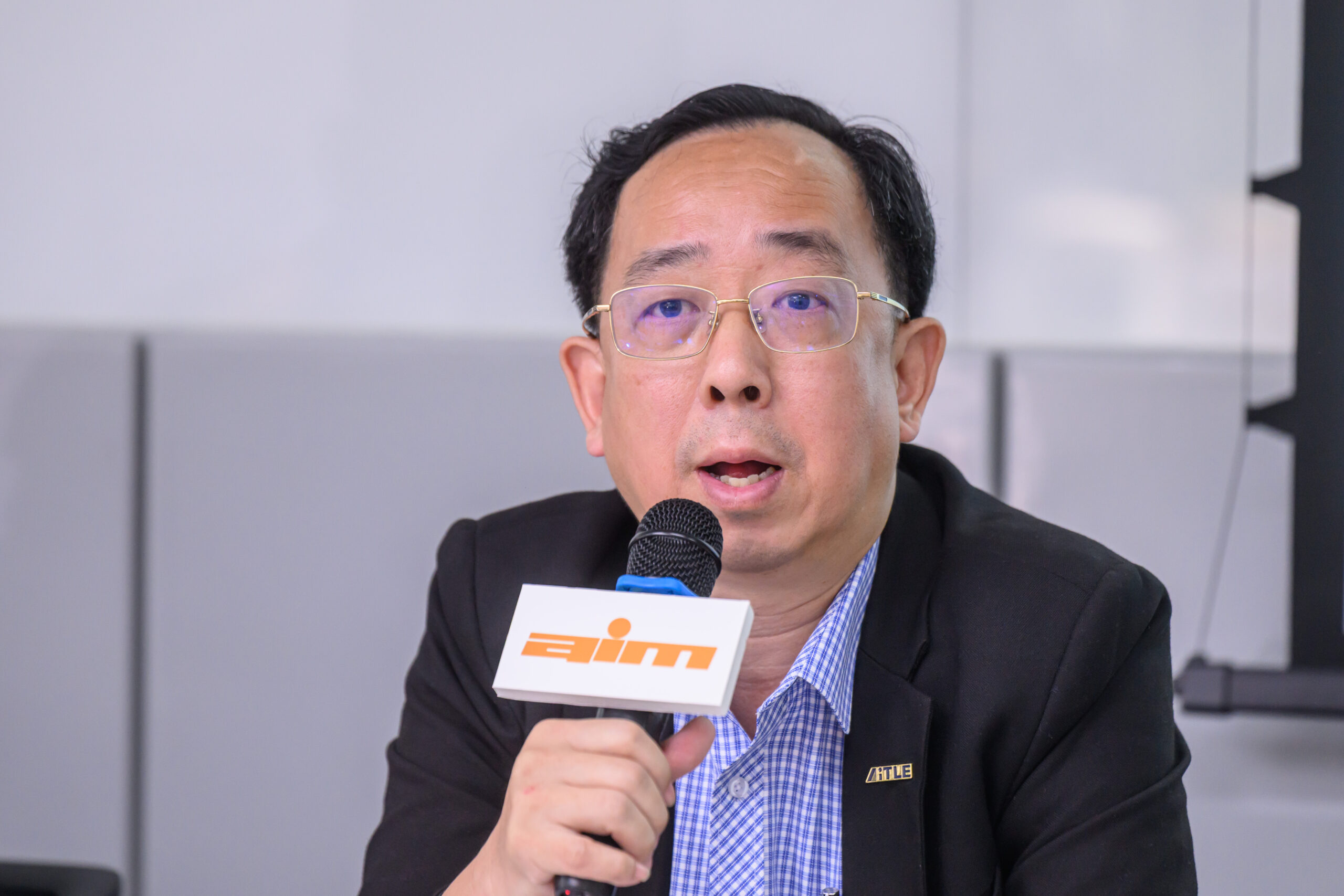
Photo 4: Mr. Albert WONG Kin-wai, Chairman of Association of IT Leaders in Education (AiTLE), suggests that AI literacy competencies should be built through experiential learning.
Two of the education partners also spoke from their frontline teaching experience, describing how students currently use AI and sharing first-hand classroom observations. Mr. Albert WONG Kin-wai, Chairman of Association of IT Leaders in Education (AiTLE), said, “Cultivating students’ AI literacy cannot rely on classroom teaching alone, but requires experiential learning in real-life contexts. Where ICT lesson time is generally insufficient in secondary school, and it is no longer a compulsory subject at DSE, more opportunities should therefore be created, through extracurricular activities or additional resources, for all students to engage with AI.”
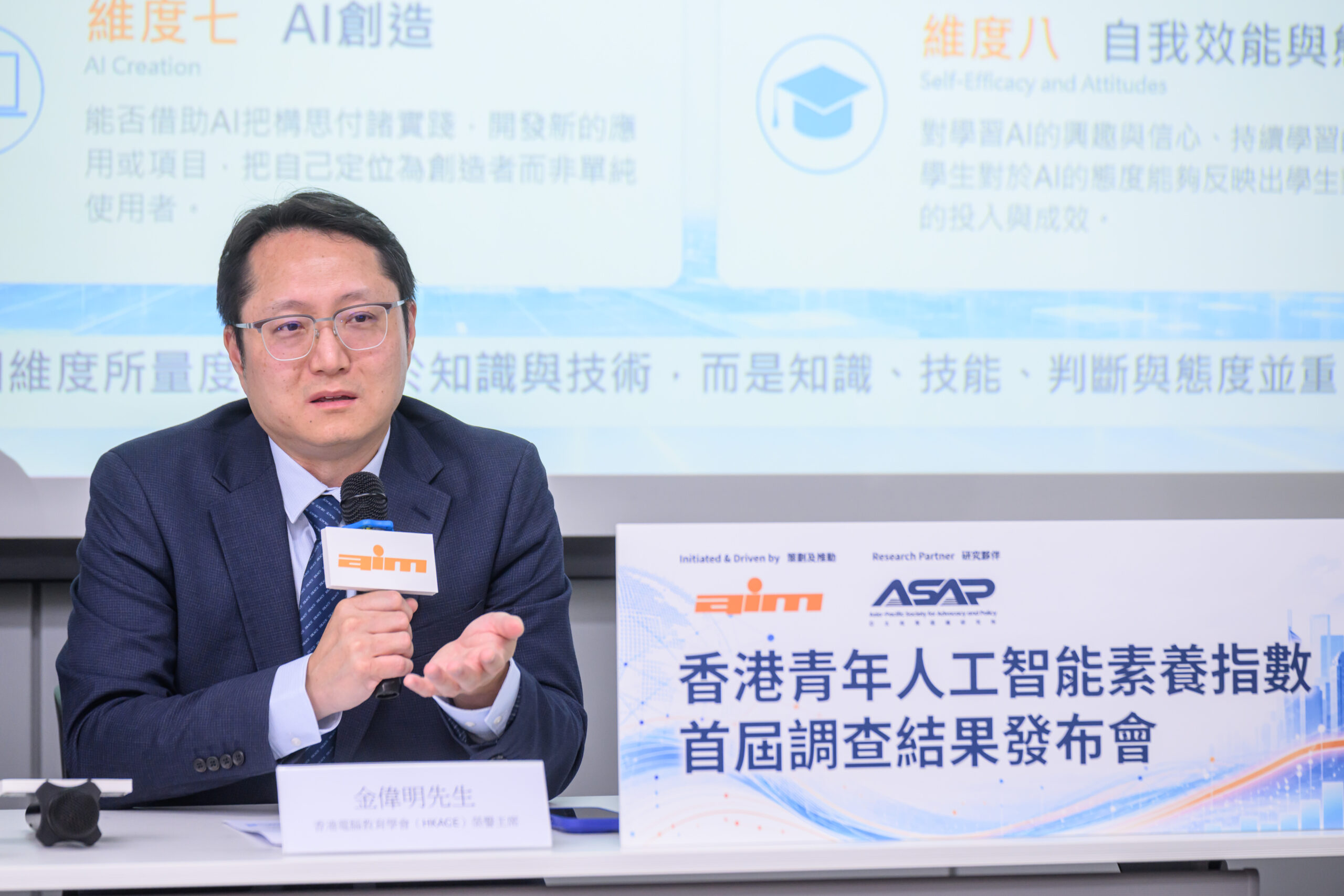
Photo 5: Mr. Stanley KAM Wai-ming, Honorary Chairman of Hong Kong Association for Computer Education (HKACE), states that the boundaries between disciplines should be broken down to promote cross-curricular collaboration and jointly build students’ AI literacy.
Mr. Stanley KAM Wai-ming, Honorary Chairman of Hong Kong Association for Computer Education (HKACE), said, “From the perspective of school-based policy, raising students’ ethics, privacy, and literacy awareness when using AI is something that a single subject cannot address. It requires the participation of teachers across all subjects. School management therefore needs to break down the boundaries between subjects and promote cross-disciplinary collaboration, so that together we build students’ AI literacy.”
Based on the above findings, AIM and The ASAP propose the following four policy recommendations:
- As AI is integrated into learning, teaching, and assessment, incorporate theoretical AI knowledge into curriculum planning, so that students understand the definition and scope of application of AI, the core elements of how AI operates (data, algorithms, and computing power), and the basic principles of machine learning, while also learning about issues such as data sources and algorithmic bias, and translate this content into specific focuses for teaching and assessment.
- Continuously strengthen students’ critical thinking skills by providing fact-checking techniques, teaching students to cross-check AI-generated content against multiple sources, and remain wary of content from unclear sources to guard against “AI hallucinations.”
- While welcoming the Government’s plan to roll out a free digital-education learning resource platform equipped with AI Large Language Models, we recommend providing students with further hands-on opportunities to use AI for creation. As AI can now assist with coding, the barrier to creation has been significantly lowered, and schools can let students use AI to develop applications or websites to enhance their AI creativity.
- Build students’ confidence and willingness to keep learning about AI by helping them accumulate successful experiences through progressively challenging learning activities, increasing opportunities for practice beyond the classroom, and showing students what AI can create, so that they trust in their own ability to master these skills.
(Press Release) AIMxASAP Announce Results of Inaugural “Hong Kong Youth AI Literacy Index” Survey
Press Conference PowerPoint Presentation (Chinese Only)
“Hong Kong Youth AI Literacy Index 2026” Survey Full Report (Chinese Only)
Full Report (Chinese only) available for download above. The report shall only be used for non-profit purposes. Please credit AIM “Hong Kong Youth AI Literacy Index 2026” as the source when citing.
About “Hong Kong Youth AI Literacy Index”
“Hong Kong Youth AI Literacy Index” is designed to continuously track the AI literacy of local secondary students and generate credible, evidence-based data to support AI training and digital education development. The Index is initiated and driven by Hong Kong Association of Interactive Marketing (AIM), with research and analysis led by The Asia-Pacific Society for Advocacy and Policy (ASAP), and is supported by Association of IT Leaders in Education (AiTLE), Hong Kong Association for Computer Education (HKACE), Joint School Information Technology Association (JSIT), eLearning Consortium (eLC), and Save the Children Hong Kong as education partners in its inaugural year.
About Hong Kong Association of Interactive Marketing (AIM)
The Hong Kong Association of Interactive Marketing (AIM) was founded in 2007 to provide a platform to network and learn with fellow marketers, agencies and vendors. By encouraging the industry to share and exchange experience, delving into a wide range of emerging issues, and inspiring innovation and collaboration, AIM is committed to driving the industry’s growth and development, while helping corporate and individual members stay competitive in an ever-changing business environment.
In recent years, AIM has been dedicated to serving as a bridge across sectors, leading in-depth dialogue and advocacy on key issues surrounding AI applications, literacy education, and corporate governance. This includes organizing its annual Hong Kong AI Literacy & Governance Conference, alongside multiple AI-themed conferences.
Website: https://www.hkaim.org/
About The Asia-Pacific Society for Advocacy and Policy (ASAP)
The Asia-Pacific Society for Advocacy and Policy (ASAP) is guided by three core principles: being evidence-based, putting efficiency first, and engaging stakeholders. It combines rigorous public policy research with proactive advocacy strategies, turning evidence into actionable momentum for policy change. The research team focuses on the global, Asia-Pacific, and local levels, providing timely analysis for key decisions through comparative analysis and verifiable arguments. With Hong Kong as a key context, ASAP explores policy optimization and cross-sector impact, delivering reliable policy recommendations of both breadth and depth across different policy areas.
Website: https://theASAP.asia/